
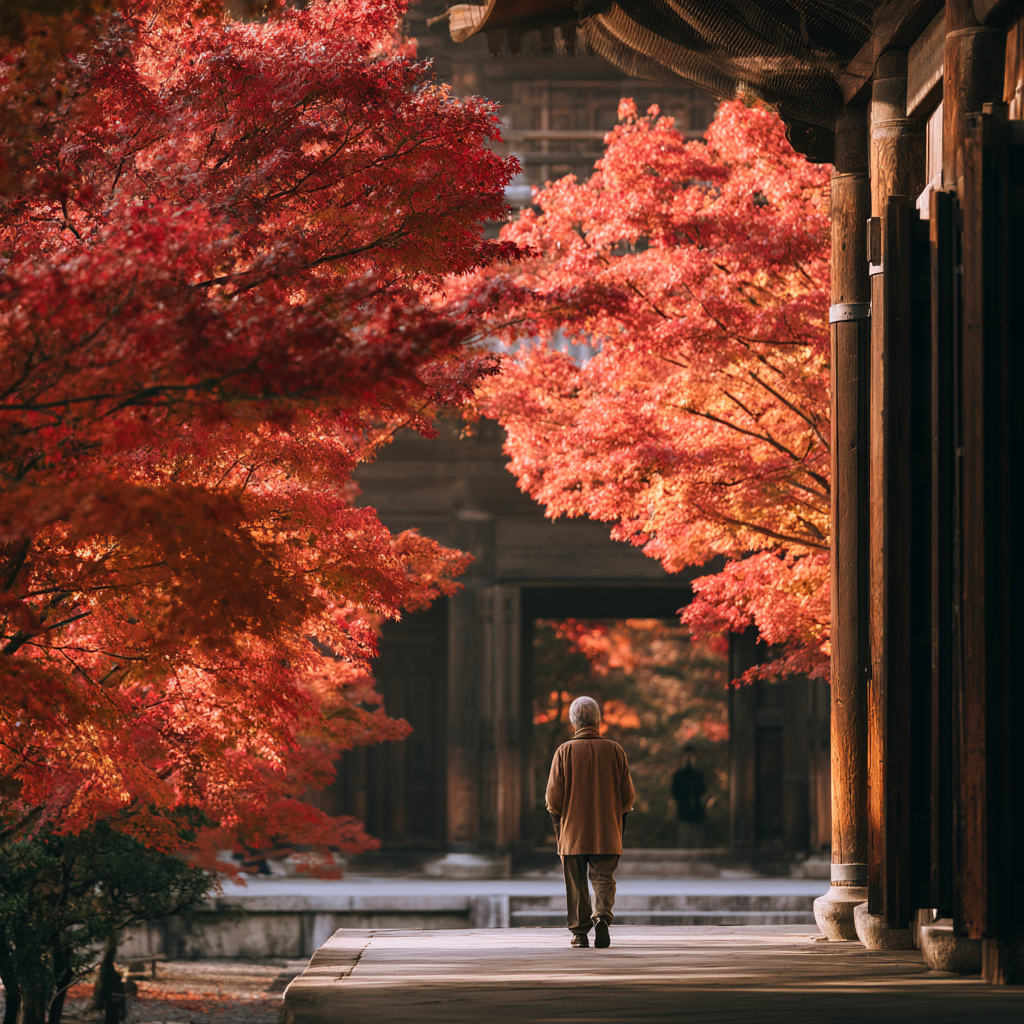
When is the best time to visit Japan?
It is one of the first questions many travelers ask when planning a trip.
The short answer is: there is no single best month for everyone.
Japan has four distinct seasons, and each offers a different travel experience. Spring brings cherry blossoms, summer is filled with festivals and fireworks, autumn offers colorful foliage, and winter brings snow, hot springs, and quieter cities.
Japan also stretches a long distance from north to south, so the weather can be very different between Hokkaido and Okinawa at the same time.
This guide breaks down Japan month by month so you can choose the best time based on weather, scenery, crowds, activities, and your travel style.
- Japan’s Seasons at a Glance
- When Is the Best Time to Visit Japan?
- January: Winter, Snow and Hot Springs
- February: Snow Festivals and Winter Travel
- March: The Beginning of Spring
- April: Cherry Blossom Season
- May: Greenery and Comfortable Weather
- June: Rainy Season
- July: Summer Festivals Begin
- August: Festivals, Fireworks and Summer Travel
- September: The Transition to Autumn
- October: Comfortable Autumn Weather
- November: Autumn Foliage
- December: Winter Begins
Japan’s Seasons at a Glance
| Season | Months | What to Expect |
|---|---|---|
| Spring | March–May | Cherry blossoms, mild weather, flowers |
| Summer | June–August | Rainy season, heat, festivals, fireworks |
| Autumn | September–November | Cooler weather, autumn colors |
| Winter | December–February | Snow, skiing, hot springs, fewer visitors |
Keep in mind that these are general patterns. Weather and seasonal events can vary by region and year.
When Is the Best Time to Visit Japan?
For travelers who want comfortable sightseeing weather, spring and autumn are particularly popular choices.
Late March to early April is famous for cherry blossoms, while October and November offer cooler weather and autumn colors in many parts of Japan.
However, popularity also means higher demand.
Cherry blossom season and peak autumn foliage periods can be busy, especially in popular destinations such as Tokyo and Kyoto. Recent travel guides consistently identify these periods as some of the busiest times of year.
If your priority is avoiding crowds, winter or some parts of early summer may be more suitable.
If your priority is skiing, winter is the obvious choice.
The best month ultimately depends on what you want to experience in Japan.
Japan Month by Month
January: Winter, Snow and Hot Springs
January is one of the coldest months of the year, particularly in northern Japan.
Tokyo and Osaka are generally cold but relatively dry, while Hokkaido and parts of northern Japan receive significant snowfall.
Why visit in January?
- Skiing and snowboarding
- Hot springs
- Snow scenery
- Winter illuminations
- Quieter sightseeing after the New Year holiday
Hokkaido and the Japanese Alps are particularly attractive for winter sports.
If you are mainly interested in Tokyo, Kyoto, or Osaka, January can also be a good time to experience these cities in a quieter atmosphere.
Things to consider
The first few days of January are part of the New Year holiday period in Japan. Some restaurants, shops, and businesses may have limited opening hours.
After the New Year period, visitor numbers generally become lower.
Best for: Skiing, hot springs, winter scenery, quieter travel
February: Snow Festivals and Winter Travel
February remains cold, but it is an excellent month for travelers who enjoy winter.
Hokkaido is particularly popular for snow activities, while cities such as Tokyo and Kyoto remain suitable for sightseeing with appropriate clothing.
Why visit in February?
- Snow festivals
- Skiing and snowboarding
- Hot springs
- Winter scenery
- Plum blossoms beginning in some areas
The Sapporo Snow Festival is one of Japan’s best-known winter events and normally takes place in February.
Things to consider
If you are visiting northern Japan, expect significantly colder temperatures and snow.
Some mountain destinations can also experience heavy snowfall and transportation disruptions.
Best for: Snow, skiing, hot springs, winter festivals
March: The Beginning of Spring
March marks the transition from winter to spring.
Temperatures gradually become milder, but early March can still feel quite cold in many areas.
The major attraction is the beginning of cherry blossom season.
Cherry blossoms generally begin earlier in southern and warmer areas and later in northern Japan. JNTO notes that cherry blossoms can appear from March through May depending on the location.
Why visit in March?
- Early cherry blossoms
- Spring flowers
- Milder weather
- Winter-to-spring scenery
Late March is particularly popular in Tokyo and other major destinations when cherry blossom season begins.
Things to consider
Cherry blossom dates change from year to year, so don’t plan an entire trip around one exact date too far in advance.
Best for: Early spring, cherry blossoms, mild weather
April: Cherry Blossom Season
April is one of the most popular months to visit Japan.
Cherry blossoms are a major attraction, and many parks and streets become especially beautiful during this period.
Tokyo, Kyoto, Osaka, and other major destinations can become very busy around peak blossom periods.
Why visit in April?
- Cherry blossoms
- Pleasant sightseeing weather
- Spring flowers
- Parks and gardens
- Traditional spring events
Things to consider
The popularity of cherry blossom season means that hotels and transportation can become busy.
If you want to visit during this period, booking accommodation early is a good idea.
Also remember that cherry blossoms do not bloom at exactly the same time every year.
Best for: Cherry blossoms, spring scenery, first-time visitors
May: Greenery and Comfortable Weather
May is often an excellent month for travelers who want spring weather without relying entirely on cherry blossoms.
The landscape becomes greener, and temperatures are generally comfortable for sightseeing.
However, Golden Week, a series of national holidays from late April into early May, is one of Japan’s busiest domestic travel periods.
Why visit in May?
- Comfortable temperatures
- Fresh greenery
- Outdoor sightseeing
- Gardens and parks
- Fewer cherry blossom crowds after the season
Things to consider
If possible, avoid the busiest part of Golden Week if you want a more relaxed trip.
After Golden Week, conditions can become more manageable.
Best for: Comfortable sightseeing, greenery, outdoor activities
June: Rainy Season
June marks the beginning of the rainy season, known as tsuyu, in many parts of Japan.
Rainy-season timing varies by region, but June is generally more humid and wetter than spring.
That does not mean it rains constantly.
You can still have enjoyable travel days, especially if you plan indoor activities alongside outdoor sightseeing.
Why visit in June?
- Fewer tourists in some destinations
- Hydrangeas and seasonal flowers
- Museums and indoor attractions
- Potentially lower travel costs
Things to consider
Bring an umbrella or rain jacket and prepare for changes in your plans.
Hokkaido is generally less affected by the main rainy-season pattern than many areas of Honshu.
Best for: Flowers, quieter travel, flexible travelers
July: Summer Festivals Begin
July brings warmer weather and increasing humidity.
Japan’s summer is known for festivals, fireworks, and outdoor events.
The Gion Matsuri in Kyoto is one of Japan’s most famous traditional festivals and takes place throughout July.
Why visit in July?
- Summer festivals
- Fireworks
- Outdoor events
- Beaches
- Mountain activities
Things to consider
Summer can be very hot and humid, especially in major cities.
JNTO describes Japanese summers as hot and humid, so travelers should stay hydrated and plan breaks from the heat.
Best for: Festivals, fireworks, summer events
August: Festivals, Fireworks and Summer Travel
August is typically one of the hottest months in Japan.
It is also one of the busiest periods because of summer holidays and Obon, a major Japanese holiday period in mid-August.
Why visit in August?
- Fireworks
- Summer festivals
- Beaches
- Mountain destinations
- Summer events
Things to consider
Heat and humidity can be intense.
Typhoons can also affect travel plans during the summer and early autumn, so check weather forecasts before traveling.
If you dislike hot weather, August may not be the most comfortable month for a city-focused trip.
Best for: Festivals, fireworks, beaches, summer culture
September: The Transition to Autumn
September is still warm in many parts of Japan, particularly early in the month.
The weather gradually becomes cooler as autumn approaches.
Why visit in September?
- Fewer peak-season crowds than spring
- Late-summer events
- Beginning of autumn
- Warmer weather for outdoor activities
Things to consider
September can be affected by typhoons, so flexibility is useful.
Weather can also change quickly from one region to another.
Best for: Late summer, early autumn, flexible travelers
October: Comfortable Autumn Weather
October is one of the most comfortable months for sightseeing in many parts of Japan.
Temperatures become cooler, humidity generally decreases, and autumn colors begin appearing in northern and mountainous areas.
JNTO describes spring and autumn as particularly suitable seasons for outdoor exploration, although conditions vary by region.
Why visit in October?
- Comfortable temperatures
- Autumn scenery
- Outdoor sightseeing
- Hiking
- Less summer humidity
Things to consider
Autumn foliage does not arrive everywhere at the same time.
Northern and mountainous regions generally see autumn colors earlier than cities farther south.
Best for: Outdoor sightseeing, comfortable weather, early autumn foliage
November: Autumn Foliage
November is one of the most popular months for autumn travel.
Many areas of Japan are transformed by red, orange, and yellow autumn foliage.
Kyoto is particularly famous for its autumn scenery around temples and gardens.
Why visit in November?
- Autumn leaves
- Cool and comfortable weather
- Beautiful temples and gardens
- Outdoor sightseeing
- Seasonal food
Things to consider
Popular foliage destinations can become very crowded, particularly during peak color periods.
If you want to visit Kyoto during peak autumn foliage, book accommodation early.
Best for: Autumn foliage, temples, photography, comfortable sightseeing
December: Winter Begins
December marks the beginning of winter.
Temperatures drop, but major cities such as Tokyo and Osaka can still be comfortable for sightseeing with warm clothing.
Winter illuminations also become a major attraction in many cities.
Why visit in December?
- Winter illuminations
- Christmas atmosphere
- Snow in northern Japan
- Hot springs
- Ski season begins
Things to consider
The end of December becomes increasingly busy as Japan approaches the New Year holiday.
Many businesses also have different opening hours around the New Year period.
Best for: Winter scenery, illuminations, hot springs, early ski season
Best Time to Visit Japan by Travel Goal
Instead of choosing a month first, think about what you want to experience.
| Travel goal | Recommended period |
|---|---|
| Cherry blossoms | Late March–April |
| Comfortable sightseeing | May, October–November |
| Autumn foliage | October–November |
| Skiing and snow | January–February |
| Hot springs in winter | December–February |
| Summer festivals | July–August |
| Fireworks | July–August |
| Fewer crowds | Winter or selected early-summer periods |
| Beaches | July–August |
| Hiking and outdoor activities | Spring and autumn |
These are general guidelines rather than fixed dates. Japan’s geography means the exact timing varies considerably by destination.
When Is Japan Most Crowded?
Japan’s busiest periods can vary by destination, but several periods consistently see increased travel demand.
Cherry blossom season
Late March and early April can be extremely busy in popular destinations.
Golden Week
Late April to early May is a major domestic travel period.
Obon
Mid-August is another major holiday period in Japan.
New Year
Late December through the first few days of January is an important holiday period, when many Japanese people travel or return to their hometowns.
If avoiding crowds is your priority, consider traveling outside these peak periods.
What Is the Cheapest Time to Visit Japan?
There is no single cheapest month for every destination.
However, winter after the New Year holiday can be a quieter period for many cities, while some summer and rainy-season periods may also have lower demand depending on the destination.
Keep in mind that ski resorts are an exception: popular ski destinations can be very expensive during peak snow season.
Your accommodation, flights, and travel route can have a bigger effect on your total budget than the month alone.
For more information about travel costs, see:
How Much Does a Trip to Japan Cost? A Complete 2026 Budget Guide
What Is the Best Month for a First Trip to Japan?
If this is your first trip and you mainly want to explore cities such as Tokyo, Kyoto, and Osaka, spring and autumn are popular choices because of the generally comfortable weather and seasonal scenery.
However, there is an important trade-off.
Cherry blossom season offers iconic scenery, but it also brings larger crowds and higher demand.
Autumn can provide another excellent opportunity for comfortable sightseeing, particularly in October and November, although peak foliage destinations can also become busy.
If you prefer fewer crowds and don’t mind cold weather, winter can offer a very different experience.
Does Japan Have a Bad Season to Visit?
Not necessarily.
Every season has advantages and disadvantages.
If you dislike heat and humidity, summer may be difficult.
If you dislike cold weather, winter may not be ideal.
If you want cherry blossoms, you need to accept that the timing is unpredictable and popular destinations can be crowded.
If you want snow, winter is exactly what makes the trip special.
Instead of asking:
“What is the best time to visit Japan?”
a better question is:
“What do I want to experience in Japan?”
Once you answer that, choosing your travel dates becomes much easier.
What to Pack for Each Season
Spring
- Light jacket
- Layers
- Comfortable walking shoes
- Compact umbrella
Summer
- Lightweight clothing
- Breathable shirts
- Sunscreen
- Hat
- Portable water bottle
Autumn
- Light jacket
- Layers
- Comfortable shoes
- Compact umbrella
Winter
- Warm coat
- Sweater or thermal layers
- Gloves
- Comfortable shoes
- Warm accessories
If you are traveling to Hokkaido or mountainous areas in winter, you will need significantly warmer clothing than you would for Tokyo or Osaka.
Final Thoughts
There is no single best time to visit Japan.
Spring is famous for cherry blossoms.
Summer brings festivals, fireworks, and green landscapes.
Autumn offers comfortable weather and beautiful foliage.
Winter brings snow, skiing, hot springs, and a quieter atmosphere in many cities.
Japan’s climate also changes significantly from north to south, so your destination matters just as much as the month you choose.
For a first-time trip, think about the experience you want, check the expected weather for your destinations, and then choose your travel dates.
And if you are planning your first Japan trip, these guides may also help:
- 10 Things You Should Know Before Visiting Japan
- How to Get Around Japan: A Complete Transportation Guide for First-Time Visitors
- Japan eSIM Guide: How to Stay Connected While Traveling in Japan
- How Much Does a Trip to Japan Cost? A Complete 2026 Budget Guide
- 7-Day Japan Itinerary for First-Time Visitors: Tokyo, Kyoto & Osaka
コメント