
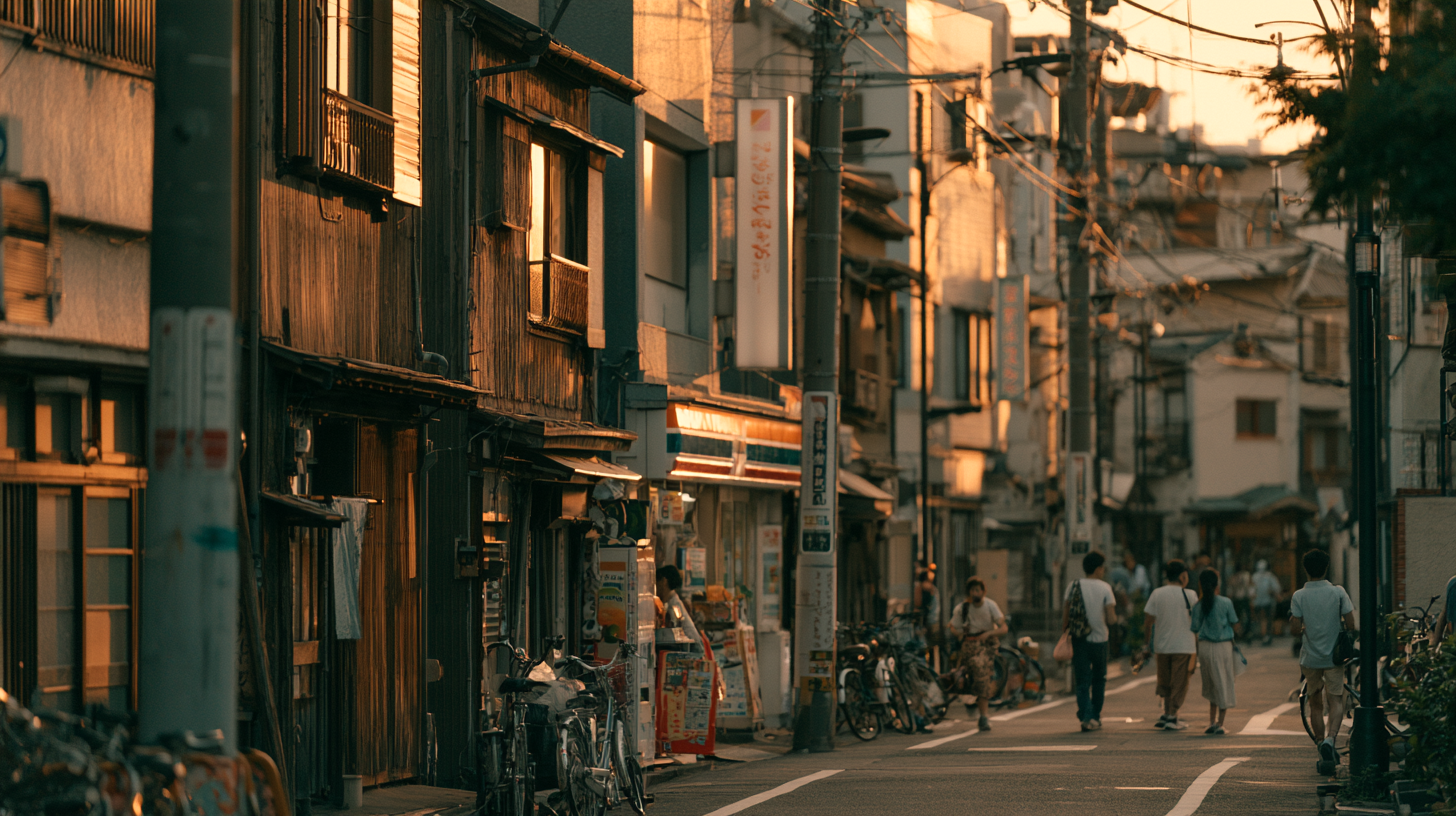
Planning your first trip to Japan?
Japan is one of those places that can feel both familiar and completely different at the same time. The trains are incredibly efficient, convenience stores are everywhere, and even everyday customs can be surprisingly different from what you may be used to.
A little preparation can make your trip much easier—and help you enjoy Japan beyond the typical tourist experience.
Here are 10 things you should know before visiting Japan.
- You Don’t Need to Tip in Japan
- Get an IC Card for Transportation
- Convenience Stores Are Surprisingly Useful
- Cash Is Still Worth Carrying
- Trains Are Quiet for a Reason
- Trash Cans Can Be Hard to Find
- Take Your Shoes Off When Required
- Don’t Eat While Walking Everywhere
- Learn a Few Basic Japanese Phrases
- Japan Is More Than Tokyo and Kyoto
- Final Thoughts
You Don’t Need to Tip in Japan
One of the first things visitors notice in Japan is that tipping is generally not part of everyday life.
At restaurants, cafés, taxis, and most other services, you normally pay the price shown on the bill without adding a tip. In fact, leaving extra money on the table can sometimes cause confusion.
Instead, good service is generally considered part of the experience rather than something that requires an additional payment.
There are some exceptions, such as certain private guides or high-end services where tipping may be accepted, but for most travelers, you don’t need to worry about tipping.
Simple rule: Pay the amount shown on the bill unless you are specifically told otherwise.
Get an IC Card for Transportation
If you plan to travel around Japan, getting an IC card can make your trip much easier.
Cards such as Suica, PASMO, and ICOCA can be used on many trains, subways, and buses. They can also be used to pay for small purchases at convenience stores, vending machines, and other participating shops.
Instead of buying a separate ticket every time you take a train, you can simply tap your card at the ticket gate.
Depending on your travel plans and smartphone, you may also be able to use a digital IC card.
If you’re staying in Japan for several days and plan to use public transportation frequently, having an IC card is one of the easiest ways to make everyday travel more convenient.
Convenience Stores Are Surprisingly Useful
Japan’s convenience stores, known as konbini, are much more than places to buy snacks.
Stores such as 7-Eleven, FamilyMart, and Lawson can be incredibly useful during a trip.
You can find ready-to-eat meals, sandwiches, drinks, coffee, toiletries, ATMs, and everyday necessities. Many stores also offer services such as parcel delivery and ticket purchases.
The quality and variety of food can also be surprising. Rice balls, bento boxes, sandwiches, and desserts are inexpensive and often surprisingly good.
If you’re hungry late at night, need a quick breakfast, or forgot something at your hotel, there is a good chance a convenience store is nearby.
Cash Is Still Worth Carrying
Japan is increasingly becoming a cashless society, and credit cards and mobile payments are widely accepted in major cities.
However, cash is still useful.
Smaller restaurants, traditional shops, local attractions, vending machines, and businesses in rural areas may still accept cash only.
For that reason, it is a good idea to carry some Japanese yen even if you normally use a credit card.
You don’t need to carry a large amount. Having enough cash for small purchases and unexpected situations can save you trouble during your trip.
Trains Are Quiet for a Reason
Japanese trains can feel surprisingly quiet, especially compared with public transportation in some other countries.
People often avoid speaking loudly on trains, and phone calls are generally discouraged.
You may notice passengers using their phones with headphones, reading, working, or simply resting during their journey.
You don’t need to be completely silent, but keeping your voice down is considered polite.
During busy commuting hours, trains can also become extremely crowded. If you’re traveling during these times, be prepared for a very different experience from riding a train during a quiet afternoon.
Trash Cans Can Be Hard to Find
One of the first things that may surprise visitors to Japan is the lack of public trash cans.
You can sometimes walk around a busy neighborhood without seeing one for quite a while.
Convenience stores and train stations often have places to dispose of certain types of trash, but you shouldn’t assume that a public trash can will always be nearby.
A useful habit is to carry a small bag with you and keep your trash until you find an appropriate place to dispose of it.
This is one reason why Japanese streets can remain relatively clean despite the limited number of public trash cans.
Take Your Shoes Off When Required
In Japan, you will sometimes need to take your shoes off before entering certain places.
This is common in traditional Japanese restaurants, temples and cultural facilities, some accommodation, and especially private homes.
If you see shoes lined up near an entrance or a raised floor separating the entrance area from the room, that’s usually a sign that you should remove your shoes.
Some places provide slippers that you can wear indoors.
One important detail: bathroom slippers, when provided, are generally meant to stay in the bathroom. Don’t accidentally walk around the rest of the building wearing them.
Don’t Eat While Walking Everywhere
Eating while walking isn’t necessarily forbidden everywhere in Japan, but it isn’t always considered appropriate.
In busy shopping streets, crowded areas, and public transportation, eating while walking can create inconvenience for other people.
At food markets and festivals, however, eating while walking may be perfectly normal.
The best approach is to look around and follow the local atmosphere.
If there is a designated eating area, use it. If you’re unsure, stopping somewhere out of the way to eat is usually the safest choice.
Learn a Few Basic Japanese Phrases
You don’t need to speak Japanese fluently to enjoy your trip.
However, learning a few simple phrases can make everyday interactions much easier and more enjoyable.
Here are a few useful ones:
Hello: Konnichiwa
Thank you: Arigatou gozaimasu
Excuse me / Sorry: Sumimasen
Yes: Hai
No: Iie
Delicious: Oishii
Even when someone speaks English, making a small effort to use Japanese can be appreciated.
You don’t have to pronounce everything perfectly. A friendly attitude goes a long way.
Japan Is More Than Tokyo and Kyoto
Tokyo and Kyoto are incredible destinations, but they are only part of Japan.
Japan has 47 prefectures, each with its own food, history, landscapes, and local culture.
You could explore the seafood and dramatic scenery of Hokkaido, the traditional streets of Kanazawa, the beaches of Okinawa, the historic towns of the Japanese Alps, or the local food culture of Osaka and Fukuoka.
Even within Tokyo and Kyoto, there are neighborhoods and experiences that are far beyond the typical tourist attractions.
If you have the time, consider going beyond the most famous destinations.
Some of your best memories in Japan may come from places you didn’t originally plan to visit.
Final Thoughts
Japan can seem complicated at first, but you don’t need to know everything before you arrive.
Understanding a few basic customs, preparing for transportation, carrying some cash, and being respectful of your surroundings can make your trip much smoother.
And once you’ve covered the basics, don’t be afraid to explore.
Japan is not just about famous landmarks. It’s also about the small everyday experiences—the convenience store breakfast, the quiet train ride, the tiny neighborhood restaurant, or the unexpected street you discover while getting slightly lost.
That’s often where the most memorable parts of a trip begin.
Welcome to Japan.
コメント