
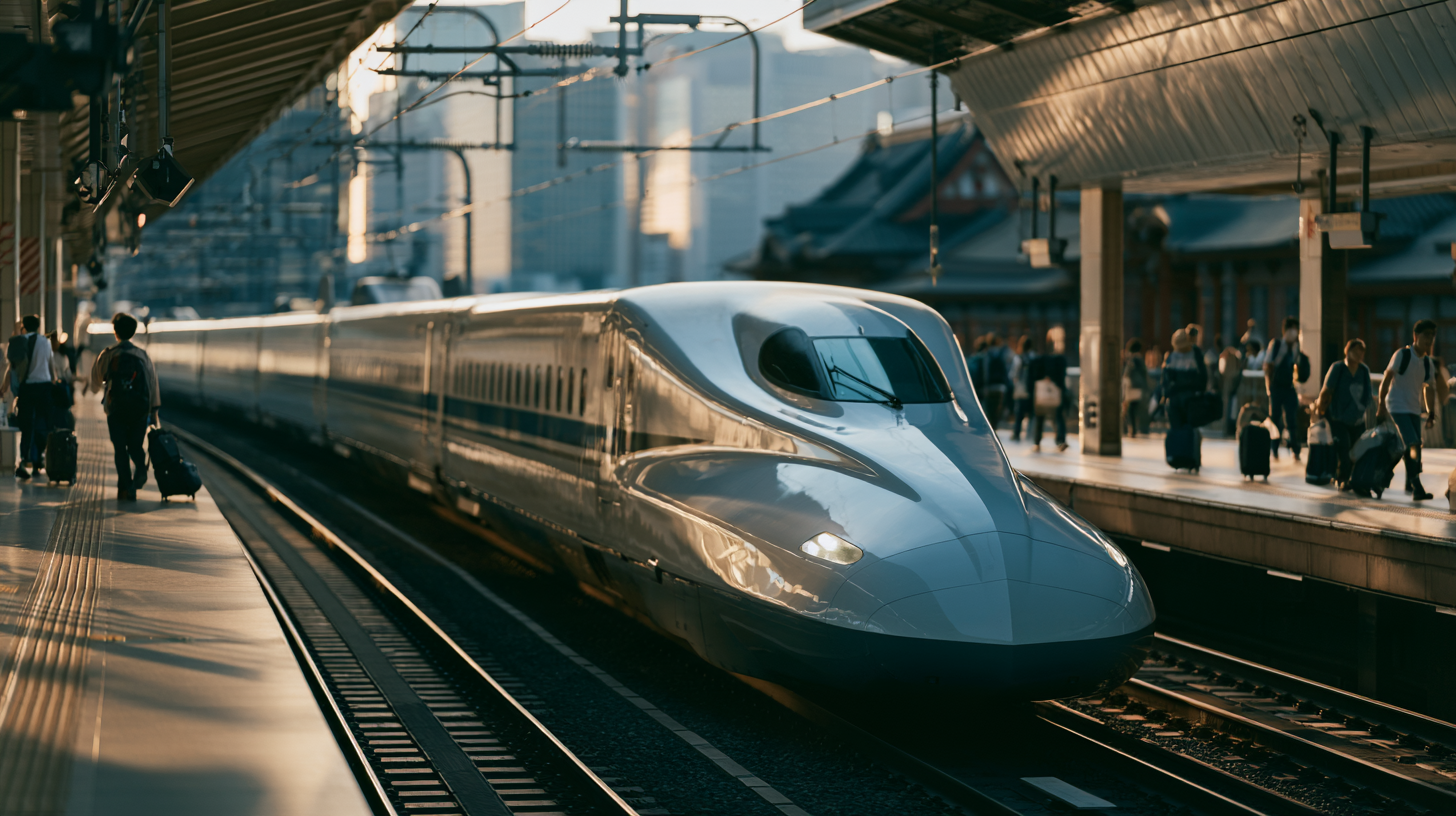
Traveling around Japan is easier than you might expect. Japan has an extensive transportation network, including trains, subways, buses, and domestic flights.
However, the system can feel confusing at first, especially if you are visiting Japan for the first time.
If this is your first trip to Japan, you may also want to read our guide to 10 Things You Should Know Before Visiting Japan
This guide explains the main ways to get around Japan and gives you practical tips to make your trip easier.
- Trains Are the Best Way to Travel Around Japan
- Get an IC Card
- Take the Shinkansen for Long-Distance Travel
- Local Trains and Subways in Cities
- Buses Are Useful Too
- What About Taxis?
- Domestic Flights Can Save Time
- Use Google Maps to Plan Your Journey
- Do You Need a Japan Rail Pass?
- Transportation Tips for First-Time Visitors
- Conclusion
Trains Are the Best Way to Travel Around Japan
For most travelers, trains are the easiest and most convenient way to get around Japan.
Major cities such as Tokyo, Osaka, Kyoto, and Nagoya have extensive train and subway networks. Trains are generally punctual, clean, and easy to use once you understand the basics.
For longer journeys between major cities, the Shinkansen, or bullet train, is one of the best options.
Get an IC Card
An IC card is one of the most useful things to have when traveling around Japan.
Popular IC cards include Suica, PASMO, and ICOCA. They can be used on many trains, subways, and buses across Japan.(Note: The iconic Suica Penguin mascot is scheduled to ‘graduate’ and be replaced by a new character in early 2027.)
Instead of buying a ticket every time you travel, you can simply charge your card and tap it at the ticket gate.
IC cards can also be used at many convenience stores, vending machines, and other shops.
Take the Shinkansen for Long-Distance Travel
The Shinkansen is Japan’s famous high-speed train.
It connects major cities such as Tokyo, Kyoto, Osaka, and Hiroshima, making it a convenient option for travelers who want to visit several cities during one trip.
For example, traveling from Tokyo to Kyoto by Shinkansen takes around two hours and fifteen minutes on the fastest services.
Although Shinkansen tickets can be expensive, the speed and convenience can make them worthwhile.
Local Trains and Subways in Cities
When exploring Japanese cities, local trains and subways are usually the most convenient options.
Tokyo in particular has a very extensive railway network.
At first, the number of lines and stations may look overwhelming. However, navigation apps such as Google Maps can make traveling much easier.
Always check the train line, destination, platform, and train type before boarding.
Buses Are Useful Too
Buses are especially useful in places where trains do not reach directly.
Kyoto is a good example. Many popular tourist attractions are easier to reach by bus than by train.
However, bus systems can vary depending on the city, so it is a good idea to check the payment method and boarding system before you travel.
What About Taxis?
Taxis are widely available in Japanese cities and are generally safe and reliable.
However, they are considerably more expensive than trains and buses.
For most tourists, taxis are best used for short journeys, late-night travel, or places that are difficult to reach by public transportation.
Many Japanese taxis also accept credit cards and electronic payments, but it is still a good idea to check before your journey.
Domestic Flights Can Save Time
Japan is a long country, so flying can sometimes be more convenient than taking a train.
Domestic flights can be useful when traveling between distant areas such as Tokyo and Hokkaido, or Tokyo and Okinawa.
If your itinerary includes very long distances, compare both flight and train options before booking.
Use Google Maps to Plan Your Journey
Google Maps is extremely useful when traveling around Japan.
It can show:
- Train and subway routes
- Departure times
- Platforms
- Transfer information
- Walking routes
- Estimated travel times
For first-time visitors, using a navigation app can make the Japanese transportation system much less stressful.
However, during busy periods, stations can become crowded. Give yourself extra time when transferring between trains.
Do You Need a Japan Rail Pass?
The Japan Rail Pass used to be an obvious choice for many international visitors, but the situation has changed.
The price increased significantly in 2023, so buying a nationwide Japan Rail Pass is not always the best option.
If you are only visiting one or two cities, individual tickets may be cheaper.
Before buying a pass, compare the total cost of your planned train journeys with the price of the pass.
Transportation Tips for First-Time Visitors
Here are some simple tips to make traveling around Japan easier:
- Avoid rush hour when possible.
- Keep your phone charged.
- Download Google Maps before your trip.
- Keep some cash available.
- Stand on the correct side of escalators and follow local signs.
- Do not talk loudly on trains.
- Avoid eating or drinking on local trains unless permitted.
- Allow extra time for large stations.
Most importantly, don’t worry if you make a mistake.
Japanese transportation can seem complicated at first, but after using it a few times, it becomes much easier.
Conclusion
Japan has one of the most convenient transportation systems in the world.
For most travelers, trains and IC cards will be the most useful tools. The Shinkansen is ideal for longer journeys, while buses and taxis can help you reach places that are less accessible by train.
With Google Maps and a little preparation, you can travel around Japan comfortably and confidently.
Whether you are visiting Tokyo for a few days or traveling across the country, understanding how transportation works will make your trip much more enjoyable.


コメント